Skip to content

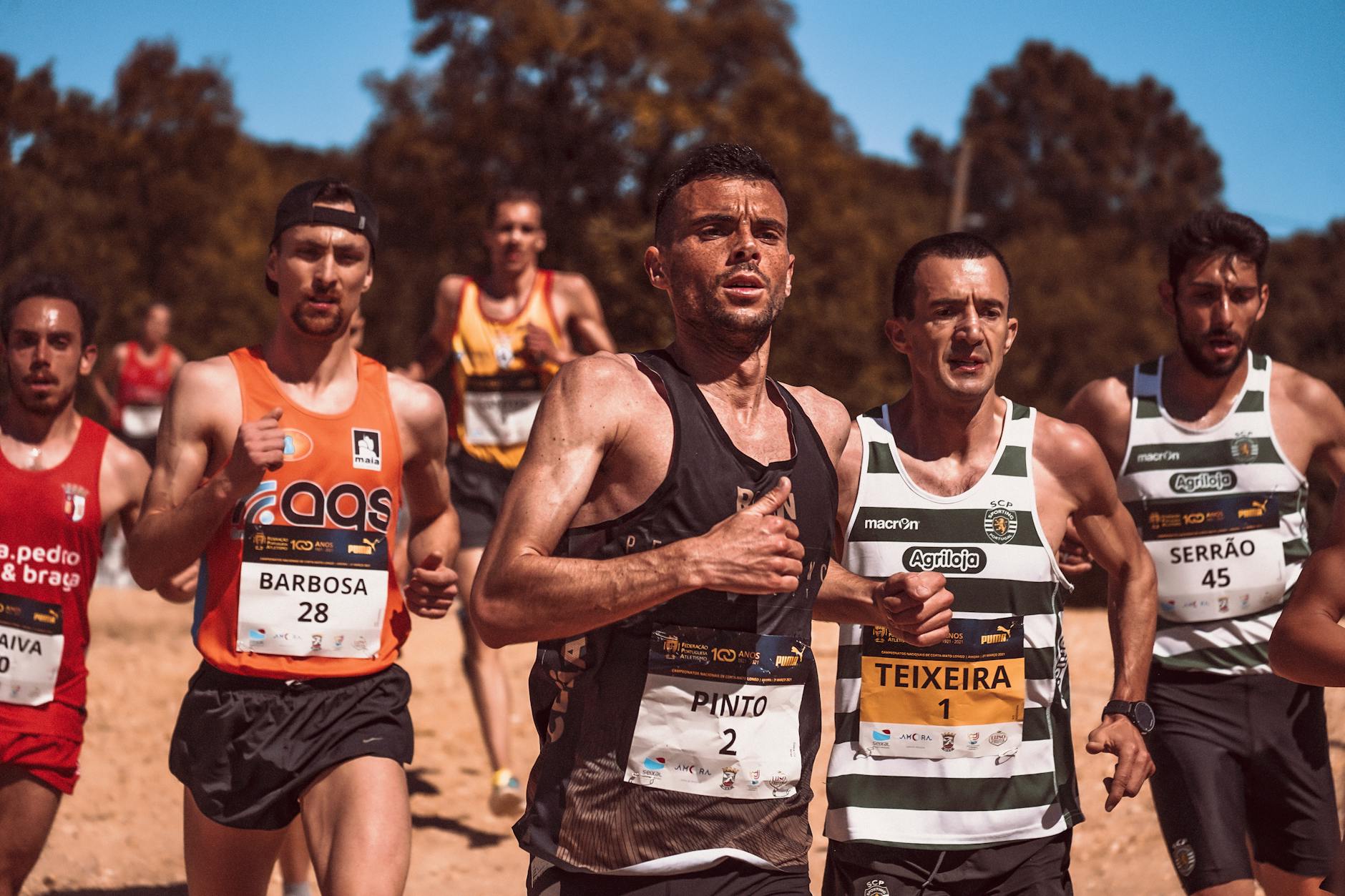
Image by RUN 4 FFWPU

RunningOppdal, Norway

Oppdal Fjellmaraton Marathon 2026

Oppdal Fjellmaraton is August 29, 2026. Confirm the 42.5 km mountain course, 2,200 m ascent, wave starts, mandatory kit and checkpoints.

Date
29 August 2026
Distance
Marathon · 11K
Surface
mixed
Profile
mountainous course

Updated Aug 2, 2026 · Verified Aug 1, 2026

Race brief

The race at a glance

The verified details that should shape training, pacing, and race week.

Some course or schedule details are still unpublished. Confirm time-sensitive facts with the official organiser before booking or setting race-day targets.

Course and pacing

Surface: Terrain. Course profile: extreme. Hills make pacing by effort non-negotiable — don’t chase splits uphill. Verify course specifics on the official site close to race day.

  • Surface: Terrain.
  • Course difficulty: extreme.
  • Climate context: Seasonal context: Summer (Northern Hemisphere). Check the race-week forecast and adjust layers and hydration..
  • Pacing rule: start conservatively, settle into rhythm, and protect the last 10K.
Course signalMountainous

Typical race-day conditions

Seasonal context: Summer (Northern Hemisphere). Check the race-week forecast and adjust layers and hydration.

Detailed climate metrics not published

No temperature range or rainfall graphic is shown until a reliable source is available.

Historical climate, not a forecast. Source method: Seasonal context inferred from race month + non-tropical latitude (no local climate normals stored). Verify the race-week forecast.

Training runway

Build backward from race day

The recommended start protects consistency and leaves room for life to happen.

  1. Start23 May 2026
  2. Build14 weeks
  3. Taper3 weeks
  4. Race day29 August 2026

All standard starts have passed. Join conservatively at the current week or choose a later event; do not compress missed weeks.

Coach recommendation

14-week runway

View recommended plan
Compare 5 other plan lengths
  • 15-week plan
    Suggested start date passed: 16 May 2026
    View plan
  • 16-week plan
    Suggested start date passed: 9 May 2026
    View plan
  • 18-week plan
    Suggested start date passed: 25 April 2026
    View plan
  • 20-week plan
    Suggested start date passed: 11 April 2026
    View plan
  • 24-week plan
    Suggested start date passed: 14 March 2026
    View plan

Prefer paper? Download the marathon plan PDF.

Race strategy

Three decisions to rehearse

Course labels and climate averages are planning context, not a race-day forecast. Use the current organiser information and the conditions you actually trained in for the final decision.

Effort

  • Pace climbs by effort instead of chasing an even split.
  • Practise controlled climbing and descending before race week.
  • Use a planned effort cap when the course demands it.

Fuel

  • Practise one schedule during key sessions; race day is execution, not experimentation.
  • Confirm what the organiser provides before deciding what to carry.
  • Rehearse the exact products, timing, and carrying method you plan to use.

Contingency

  • Use the current forecast—not climate averages—for final layers, hydration, and effort.
  • Keep one calmer pacing option ready for heat, wind, rain, or unexpected congestion.
Open race calculators and tools
Loading pace calculator…
Loading fueling planner…

Race-week command centre

Confirm what can still change

Use the current organiser guide for schedules, transport, cutoffs, equipment, and other time-sensitive instructions.

Still to confirm: expo, bib pickup, cutoffs, mandatory gear.

Start logistics

Needs confirmation

Unknown — verify start time and corral procedures in the official athlete guide.

Unknown — verify corral/wave policies close to race day.

Transport

Needs confirmation
  • Plan transport like a system: test your route to the start, build buffer time, and keep race morning decisions simple.
  • If the start is remote, confirm shuttle schedules and the last possible departure.

Travel

  • Prioritize logistics simplicity (sleep + transport) over ‘perfect’ hotels.
  • If you can walk to the start, do it — race week stress compounds fast.

Special notes

  • Always verify official race rules, cutoffs, and policies for your division.

Full race guide

Go deeper when you need it

Detailed course, weather, training, and race-day research remains available without crowding the main briefing.

Open the complete race guide

Additional event notes

Oppdal Fjellmaraton 2026: answer first

The Oppdal Fjellmaraton is Saturday, August 29, 2026. Its long course is listed as 42.5 km with 2,200 metres of ascent, starting at Gjevilvasshytta and finishing in central Oppdal. The early wave for runners expecting more than six hours starts at 8:00; the under-six-hour main wave starts at 9:00.

DecisionOfficial 2026 detail
Distance and ascent42.5 km; 2,200 m
StartGjevilvasshytta
Waves8:00 over six hours; 9:00 under six hours
Course cutoffsRemmasætra 12:00; Vekveselva 14:30; Vangslia 15:30
AidFour stations plus finish

This is not a road marathon with scenery added. The organizer describes technical mountain trail, a high point at 1,389 metres, sustained climbing, and a long descent toward Oppdal. Train time on feet, controlled descending, hiking where appropriate, fueling while climbing, and decision-making in changing mountain conditions.

The published participant information requires a pack with nutrition, drink, wind jacket, head covering, gloves, and a phone; poles and headphones are not allowed. Recheck the current rules and kit before travel. Transport to the start is included and there is no start-area parking.

Mountain weather can change quickly. Stop and seek appropriate care for severe symptoms, and follow organizer or mountain-safety instructions even when that ends the race.


How to use this athlete guide

Treat this page as a decision checklist:

  1. Confirm the race date and official logistics on the official site close to race day.
  2. Use the training timeline above to pick a plan length and a start-by date.
  3. Practice fueling and pacing in long runs (don’t wait until race week).
  4. Keep race week simple: tested shoes, tested gels, conservative start.

Picking a plan length (simple heuristic)

If you’re deciding between plan lengths, default to the option you can repeat consistently — not the most aggressive one.

  • More time (20–24 weeks): best if you’re building consistency, returning from time off, or want a gentler progression.
  • Mid-range (16–18 weeks): works well when you already have a steady weekly base and can keep long runs consistent.
  • Shorter (14–15 weeks): only if your base is solid and you’re not forcing a big jump in volume.

If a start-by date has already passed, choose a longer plan (or aim to finish strong and healthy rather than forcing peak mileage).

Course + conditions (what should change in training)

Use the course and conditions blocks on this page to adjust your defaults:

  • Surface: Terrain.
  • Course difficulty: extreme.
  • Climate context: Seasonal context: Summer (Northern Hemisphere). Check the race-week forecast and adjust layers and hydration..

Practical implication: the harder the course or the more variable the weather, the more conservative you should be with pacing and the more you should practice fueling under “imperfect” conditions.

Initial pacing and fueling targets

Most marathons are decided late. Until you have training evidence that says otherwise:

  • Start slightly conservative for the first 5–10K.
  • Fuel early and on a schedule you’ve practiced in long runs.
  • Adjust pace targets when conditions are hotter, windier, or hillier than expected.

Tools that make this simpler:

Course pacing signals (what to rehearse)

  • Mixed surface: practice transitions (grip, cadence, downhills) so race day feels familiar.
  • Hilly profile: pace climbs by effort, practice downhills, and avoid chasing uphill splits.
  • Crowds/wind rule: treat headwinds and congestion as “hills” and stay effort-controlled.

Climate-specific adaptations (gear + fueling)

  • Plan for variability: pack one extra layer option and decide pace adjustments before race morning.
  • Fueling rule: practice carbs early and on schedule; do not “wait until you feel it.”

Race-week timeline skeleton

  • 72–48 hours out: travel buffer, expo/bib pickup, keep meals simple, protect sleep.
  • 24 hours out: finalize gear, short shakeout if you like it, hydration + carbs, early bedtime.
  • Race morning: warm-up timing, bathroom plan, corrals, conservative first 5–10K.
  • Post-race: fluids + carbs, keep warm, light walking, and a calm 48-hour recovery plan.

What to verify (close to race week)

  • Start time + corrals/waves + any cutoffs
  • Course map/profile + any reroutes (and where the climbs/exposed sections are)
  • Expo location/hours + bib pickup rules (ID, proxy pickup, deadlines)
  • Aid station spacing + what is provided on-course (fluids, carbs, electrolytes)
  • Bag drop/finish-area logistics + transport back to hotel
  • Weather forecast (race week) and your pacing + gear adjustments

Common mistakes (avoid these)

Most marathon problems are boring, preventable mistakes — usually from adding novelty late.

  • Starting too fast because “it feels easy” early.
  • Trying new shoes, gels, or hydration the week of the race.
  • Under-fueling early, then “bonking” late.
  • Cramming missed training into the final two weeks.
  • Ignoring weather adjustments (pace targets should change when conditions do).

If you’re unsure, choose the calmer option: conservative start, steady fueling, and protect your sleep.

Travel and logistics

If you’re traveling, optimize for the few things that matter: sleep, simple transport, and a predictable morning.

  • If possible, arrive 1–2 days early so sleep isn’t a coin flip.
  • Keep race-week walking low (save your legs).
  • Plan your morning timeline: transport → bathroom → warm-up → corrals.
  • Treat anything marked “unknown” here as a prompt to verify on the official site close to race week.

Training guardrails

  • Keep easy runs truly easy so workouts stay high quality.
  • Progress one variable at a time (volume first, then intensity).
  • Use cutback weeks every 3–4 weeks to absorb training.
  • If pain changes your gait, scale back and get assessed.

Verification reminder

Race details change between editions (dates move, routes reroute, and registration rules update). Use this page as a starting point, then confirm time-sensitive details on the official site close to race day.

Adaptive AI coach for iPhone

Your race deserves more than a static plan.

Your adaptive AI coach builds around this finish line, follows the training you complete, and adjusts upcoming work around recovery, travel, missed sessions, and race week.

FAQs

When is Oppdal Fjellmaraton 2026?

Saturday, August 29, 2026.

How long is the main course?

The organizer lists 42.5 km with 2,200 metres of ascent.

What time does the 42 km start?

8:00 for the over-six-hour wave and 9:00 for the under-six-hour wave.

Is equipment mandatory?

Yes. The organizer lists a pack, nutrition, drink, wind jacket, head covering, gloves, and a phone among required items.

Can I park at the start?

No. The organizer says there is no start-area parking and includes bus transport.

Keep going

Sources