Skip to content

Kustmaran & Kristianopel Runt Marathon 2026 — athlete guide

Athlete guide for Kustmaran & Kristianopel Runt Marathon 2026: date, location, climate context, training timeline, and pacing/fueling tools.

Last updated/Mar 20, 2026, 11:57 PM/Last verified/Feb 16, 2026, 04:42 AM
Jump to
Kustmaran & Kristianopel Runt Marathon
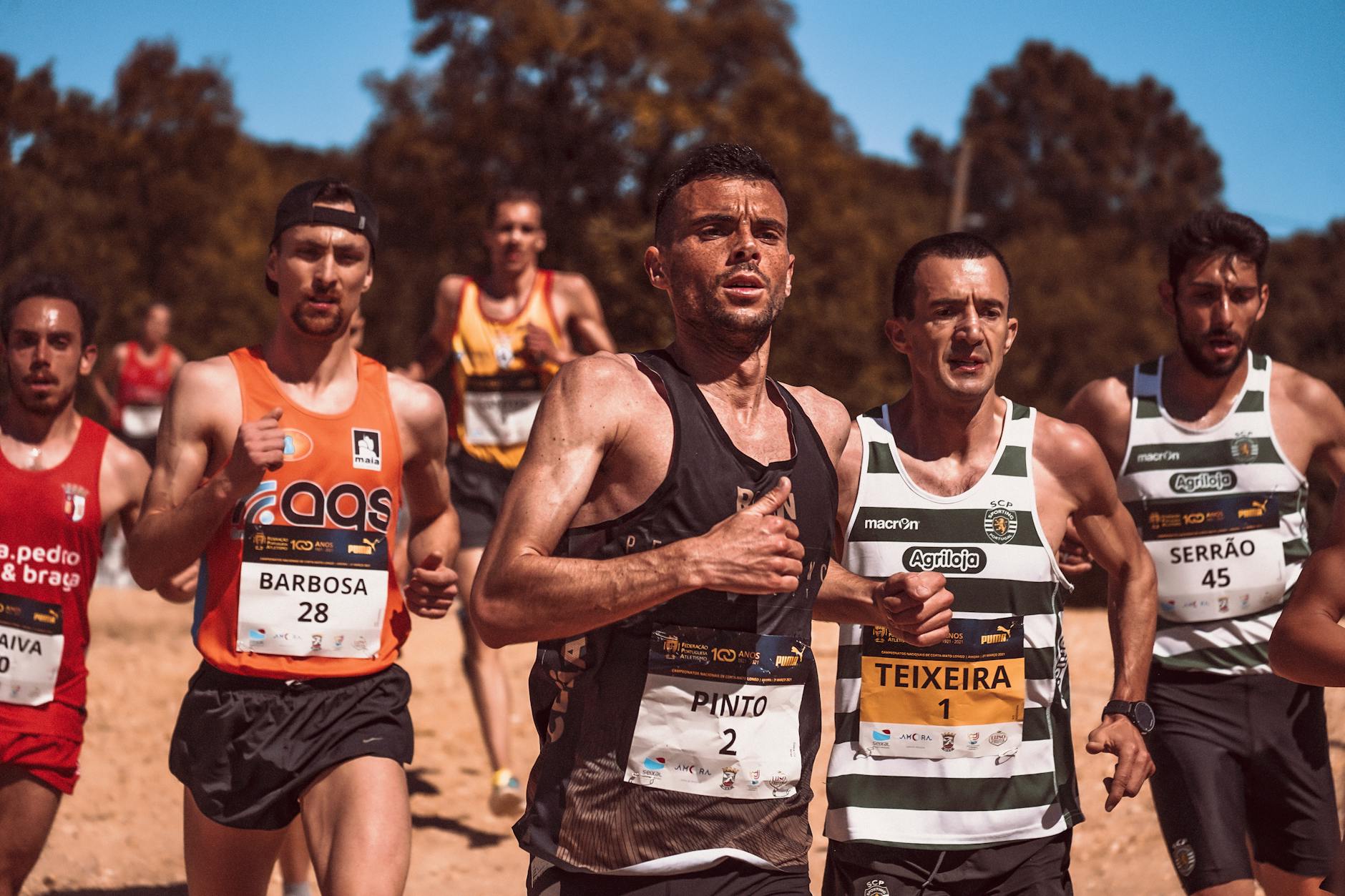
Photo by RUN 4 FFWPU on Pexels

Quick facts

Kustmaran & Kristianopel Runt Marathon

A fact-based athlete guide with sources and a verification cadence.

Stale
Next date
2026-06-27
Location
Kristianopel, Sweden
Distances
Marathon, 5K, 10K, Half Marathon
Surface
Road
Course profile
Unknown
Climate context
Typical temperature ~ 18 fahrenheit
Elevation gain
Unknown
Last verified: Feb 16, 2026, 04:42 AM • stale after 7 day(s)
  • If a fact is time-sensitive and unverified, treat it as unknown and confirm on the official site.

Start on time

Training timeline

Pick a realistic plan length, then train backward from race day.

Default rule: choose the plan you can repeat consistently. Longer is usually safer than aggressive.

Printable plan

Prefer paper? Download a free week-by-week plan PDF.

Marathon training plan PDF

Race stack

Turn this race guide into your training workflow

Don’t stop at the date and registration link. Lock the plan length, rehearse the numbers, and use one checklist before race week gets noisy.

All-in-one workflow

26weeks.ai turns this race guide into a full training and execution system

After you choose the event, the next bottleneck is rarely information. It is turning that date into a plan you can follow, adapting the week when life interrupts, and locking pace or fueling decisions before race week gets noisy.

  • Build the plan from Apple Health history, goal date, and the days per week you can actually sustain.
  • Keep missed-workout rules, coach feedback, and plan updates in the same coaching flow.
  • Use pace calculator, race-time predictor, fueling planner, and printable plans without leaving the workflow.
  • Carry the same system into taper and race week so execution decisions are already made.

Best fit: iPhone runners who want to move from verified race facts to Apple Health-connected coaching without stitching together multiple apps.

Next step

See the full workflow

26weeks.ai shows the full plan before subscription, then unlocks coach chat, background activity feedback, and plan updates in the same coaching flow.

How to use this athlete guide

Treat this page as a decision checklist:

  1. Confirm the race date and official logistics on the official site close to race day.
  2. Use the training timeline above to pick a plan length and a start-by date.
  3. Practice fueling and pacing in long runs (don’t wait until race week).
  4. Keep race week simple: tested shoes, tested gels, conservative start.

Picking a plan length (simple heuristic)

If you’re deciding between plan lengths, default to the option you can repeat consistently — not the most aggressive one.

  • More time (20–24 weeks): best if you’re building consistency, returning from time off, or want a gentler progression.
  • Mid-range (16–18 weeks): works well when you already have a steady weekly base and can keep long runs consistent.
  • Shorter (14–15 weeks): only if your base is solid and you’re not forcing a big jump in volume.

If a start-by date has already passed, choose a longer plan (or aim to finish strong and healthy rather than forcing peak mileage).

Course + conditions (what should change in training)

Use the course and conditions blocks on this page to adjust your defaults:

  • Surface: Asphalt.
  • Course difficulty: unknown.
  • Climate context: Typical temperature ~ 18 fahrenheit.

Practical implication: the harder the course or the more variable the weather, the more conservative you should be with pacing and the more you should practice fueling under “imperfect” conditions.

Pacing + fueling defaults

Most marathons are decided late. Until you have training evidence that says otherwise:

  • Start slightly conservative for the first 5–10K.
  • Fuel early and on a schedule you’ve practiced in long runs.
  • Adjust pace targets when conditions are hotter, windier, or hillier than expected.

Tools that make this simpler:

Course pacing signals (what to rehearse)

  • Road surface: rehearse steady rhythm and fueling at goal effort (not just easy pace).
  • Course profile unknown: verify elevation/profile before setting pacing targets.
  • Crowds/wind rule: treat headwinds and congestion as “hills” and stay effort-controlled.

Climate-specific adaptations (gear + fueling)

  • Plan for variability: pack one extra layer option and decide pace adjustments before race morning.
  • Fueling rule: practice carbs early and on schedule; do not “wait until you feel it.”

Race-week timeline skeleton

  • 72–48 hours out: travel buffer, expo/bib pickup, keep meals simple, protect sleep.
  • 24 hours out: finalize gear, short shakeout if you like it, hydration + carbs, early bedtime.
  • Race morning: warm-up timing, bathroom plan, corrals, conservative first 5–10K.
  • Post-race: fluids + carbs, keep warm, light walking, and a calm 48-hour recovery plan.

What to verify (close to race week)

  • Start time + corrals/waves + any cutoffs
  • Course map/profile + any reroutes (and where the climbs/exposed sections are)
  • Expo location/hours + bib pickup rules (ID, proxy pickup, deadlines)
  • Aid station spacing + what is provided on-course (fluids, carbs, electrolytes)
  • Bag drop/finish-area logistics + transport back to hotel
  • Weather forecast (race week) and your pacing + gear adjustments

Common mistakes (avoid these)

Most marathon problems are boring, preventable mistakes — usually from adding novelty late.

  • Starting too fast because “it feels easy” early.
  • Trying new shoes, gels, or hydration the week of the race.
  • Under-fueling early, then “bonking” late.
  • Cramming missed training into the final two weeks.
  • Ignoring weather adjustments (pace targets should change when conditions do).

If you’re unsure, choose the calmer option: conservative start, steady fueling, and protect your sleep.

Travel + logistics (low-stress default)

If you’re traveling, optimize for the few things that matter: sleep, simple transport, and a predictable morning.

  • If possible, arrive 1–2 days early so sleep isn’t a coin flip.
  • Keep race-week walking low (save your legs).
  • Plan your morning timeline: transport → bathroom → warm-up → corrals.
  • Treat anything marked “unknown” here as a prompt to verify on the official site close to race week.

Training guardrails

  • Keep easy runs truly easy so workouts stay high quality.
  • Progress one variable at a time (volume first, then intensity).
  • Use cutback weeks every 3–4 weeks to absorb training.
  • If pain changes your gait, scale back and get assessed.

Verification reminder

Race details change between editions (dates move, routes reroute, and registration rules update). Use this page as a starting point, then confirm time-sensitive details on the official site close to race day.

Course overview

What matters for pacing

Surface: Asphalt. Treat pacing as effort-first; adjust for terrain, wind, and crowding. Verify course specifics on the official site close to race day.

  • Surface: Asphalt.
  • Course difficulty: unknown — verify profile/elevation before you set pacing targets.
  • Climate context: Typical temperature ~ 18 fahrenheit.
  • Pacing rule: start conservatively, settle into rhythm, and protect the last 10K.

Conditions

Climate norms (method)

Typical temperature ~ 18 fahrenheit

Method: Typical temperature is a directory listing value (World's Marathons). Verify the race-week forecast and adjust pacing/hydration.

Race week

Logistics (what to verify)

If something is unknown, it means we couldn’t verify it yet. Use the official site or athlete guide as the source of truth.

Start logistics
Needs verification
Unknown — verify start time and corral procedures in the official athlete guide.
Unknown — verify corral/wave policies close to race day.
Expo
Needs verification
Unknown — verify expo location and hours.
Bib pickup
Needs verification
Unknown — verify bib pickup rules (ID, proxy pickup, deadlines).
Transport
Needs verification
  • Plan transport like a system: test your route to the start, build buffer time, and keep race morning decisions simple.
  • If the start is remote, confirm shuttle schedules and the last possible departure.
Travel
Needs verification
Nearest airport: unknown
  • Prioritize logistics simplicity (sleep + transport) over ‘perfect’ hotels.
  • If you can walk to the start, do it — race week stress compounds fast.

Rules

Cutoffs + special notes

Always verify official cutoffs and race rules. If we can’t confirm, we mark it unknown.

Cutoffs
Needs verification
Unknown — verify overall time limits in the athlete guide.
Mandatory gear
Needs verification
Unknown — verify mandatory gear requirements for your division.
Special notes
  • Always verify official race rules, cutoffs, and policies for your division.

Embedded tools

Calculate pacing + fueling

Use these to avoid the classic failure modes: going out too fast, under-fueling, and over-spending your legs early.

Loading pace calculator…
Loading fueling planner…

Coaching beta

Get a plan that adapts to your life.

Join the 26weeks.ai TestFlight beta for adaptive coaching, recovery-aware adjustments, and race-week reminders.

FAQs

Where should I confirm the latest date and start logistics?

Use the official race website first. If an athlete guide is published, treat it as the source of truth for expo, bib pickup, and start procedures.

How do I register for this race?

Registration rules vary by event and year. Use the official website and registration page links above, and confirm any lottery windows, qualification rules, and transfer policies before you plan travel.

How far in advance should I start training?

Pick a plan length that matches your base and injury history (often 16–24 weeks), then train backward from race day and include a taper.

What is the best pacing strategy for this course?

Start conservatively, settle into rhythm, and protect the final 10K. Use effort cues if conditions change.

What should I focus on in the last 4–6 weeks?

Race-specific long runs, fueling practice, and dialing in pacing cues. Avoid late ‘hero’ sessions that spike injury risk.

What if I don’t know my goal pace yet?

Use the pace calculator to explore scenarios, then anchor training by effort and recovery. Your goal pace should be earned in training, not guessed on race week.

How should I plan fueling for race day?

Practice your fueling schedule in long runs and use a conservative default early (carbs, fluids, and sodium). Adjust for heat and your gut tolerance.

What if the forecast is hotter than the climate context?

Treat heat as a pacing variable. Start more conservatively, fuel and hydrate earlier, and practice one or two long runs with heat adjustments so your race-day plan isn’t improvised.

How should I handle travel stress or jet lag?

Protect sleep and keep the plan simple: arrive with a buffer, keep walking low, rehearse transport to the start, and avoid adding new workouts or new foods late.

When should I practice fueling so it actually works on race day?

Start practicing early — not in the final week. Rehearse the same gel/fluid schedule during long runs at steady effort so your gut tolerates it under load.

Keep going

Sources